Are you looking to bring a new idea to life or take your existing project to the next level? We’re excited to hear about your vision and explore how our expertise can help make it a reality. Whether you're in the brainstorming phase or ready to execute, we’d love to discuss how we can collaborate to achieve your goals.
Let’s talk about how we can make your project a success!
Are you looking to bring a new idea to life or take your existing project to the next level? We’re excited to hear about your vision and explore how our expertise can help make it a reality. Whether you're in the brainstorming phase or ready to execute, we’d love to discuss how we can collaborate to achieve your goals.
Let’s talk about how we can make your project a success!
Are you looking to bring a new idea to life or take your existing project to the next level? We’re excited to hear about your vision and explore how our expertise can help make it a reality. Whether you're in the brainstorming phase or ready to execute, we’d love to discuss how we can collaborate to achieve your goals.
Let’s talk about how we can make your project a success!
Design Services for the Replacement of Three Modular Substations
PROJECT DESCRIPTION
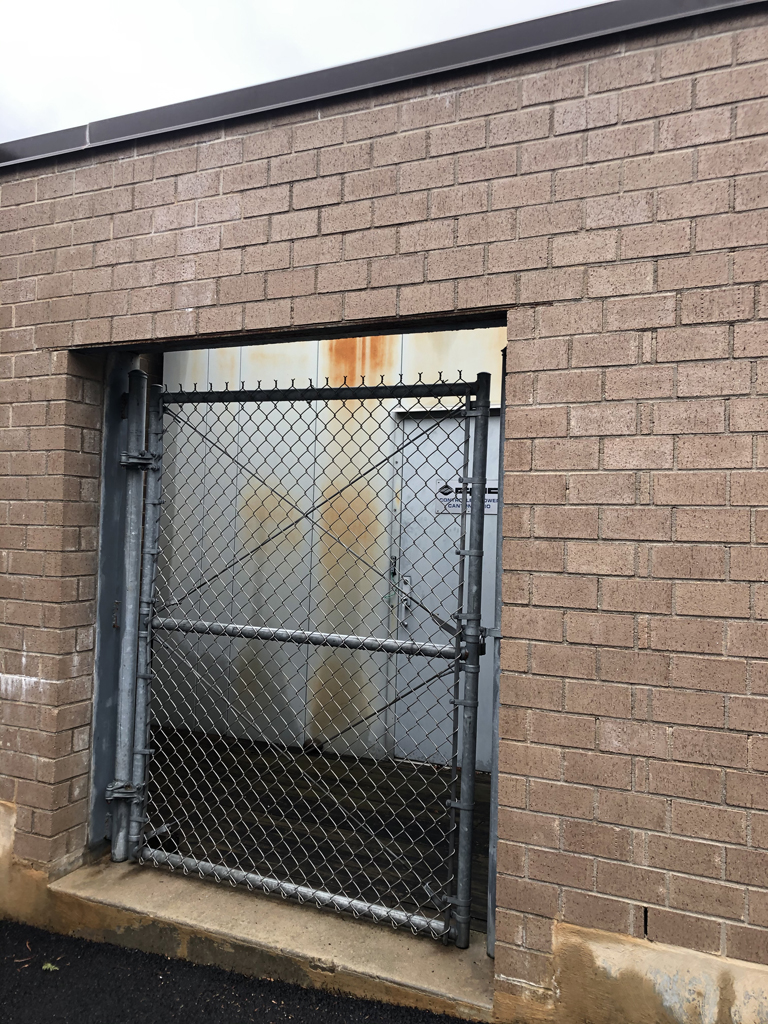
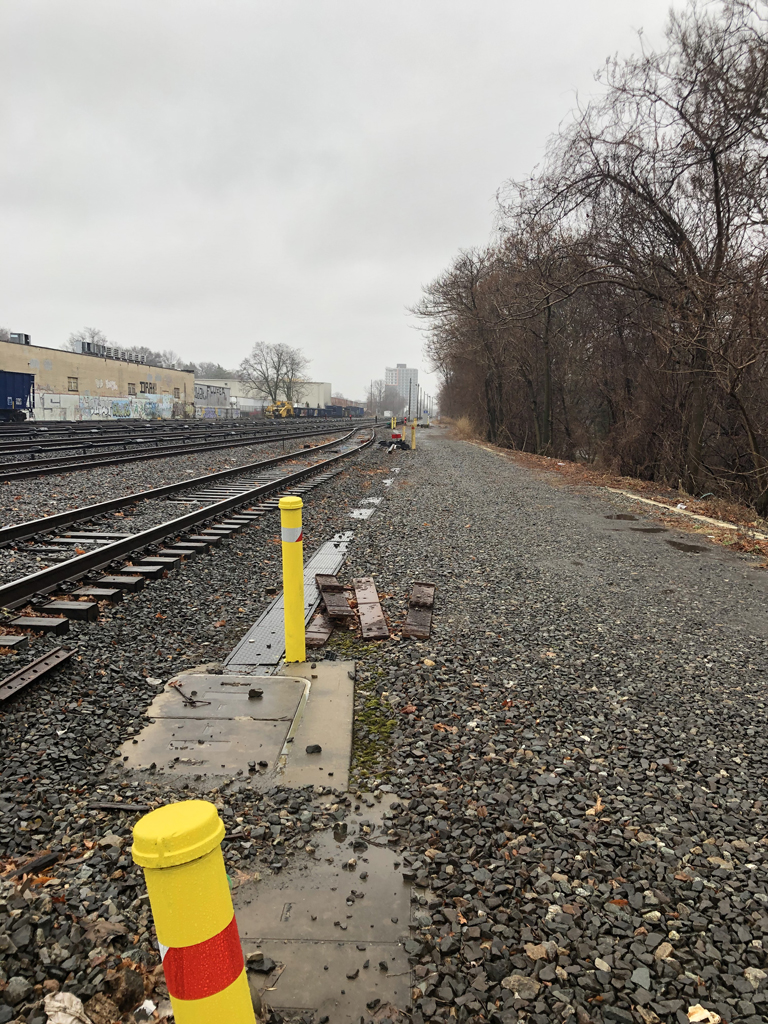
SJH assisted with the design-build documents for three modular traction power substations at Pelham, Mount Vernon West, and Bronxville in New York. The modular traction power substations were disassembled, transported to the site, and installed on pre-constructed concrete pads. The substations converted AC power from NYSEG to DC power, which supplied the primary power feed to Metro North’s power systems for both the Harlem and Hudson Lines.
These modular substations were originally installed in 1984 as a temporary measure to increase the power for the third rail and catenary switchover territory between Woodlawn in Westchester and New Haven Line service in both New York and Connecticut. The Mount Vernon West and Bronxville substations were installed to provide surge power capacity to the most heavily used segment of the Harlem Line during critical peak service periods. The original rotary converters were replaced with first-generation solid-state silicon rectifier substations in 1993. The equipment became obsolete and was no longer supported by the manufacturers, making it difficult to maintain due to parts availability. Replacing the modular substations with permanent fixed infrastructure enhanced Metro-North’s power infrastructure, making electric train service more reliable and easier to maintain during outages, weather events, or other disruptions.