MTA C&D
PROJECT OWNER
LOCATION
CLIENT(s)
SERVICES PROVIDED
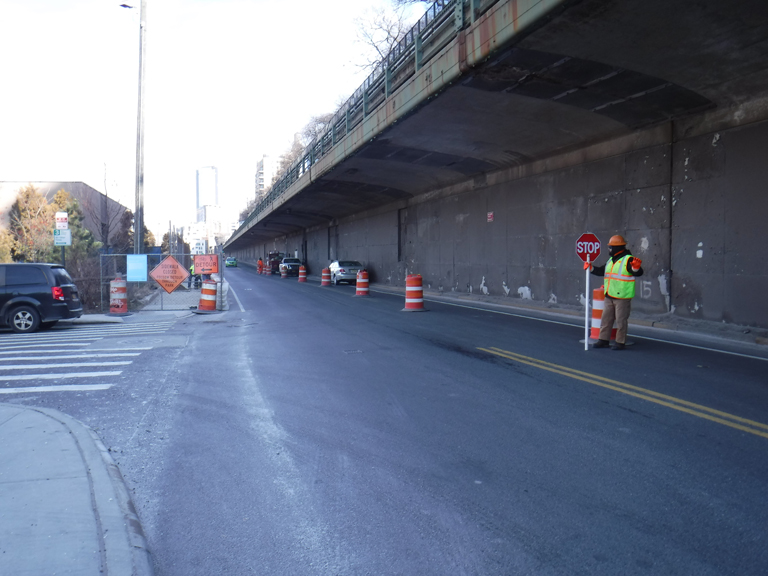
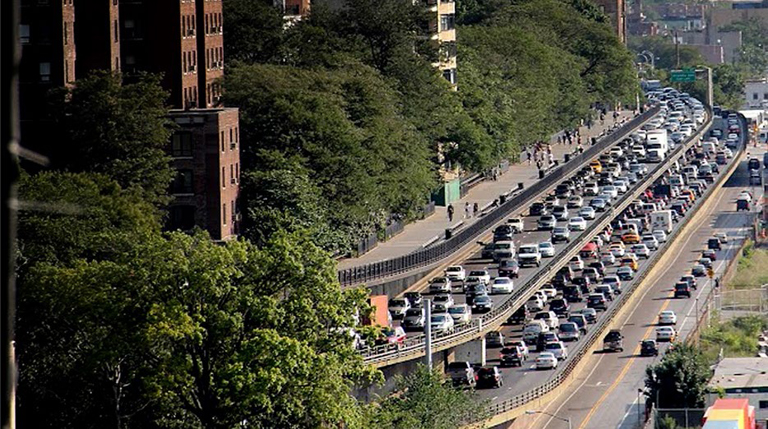
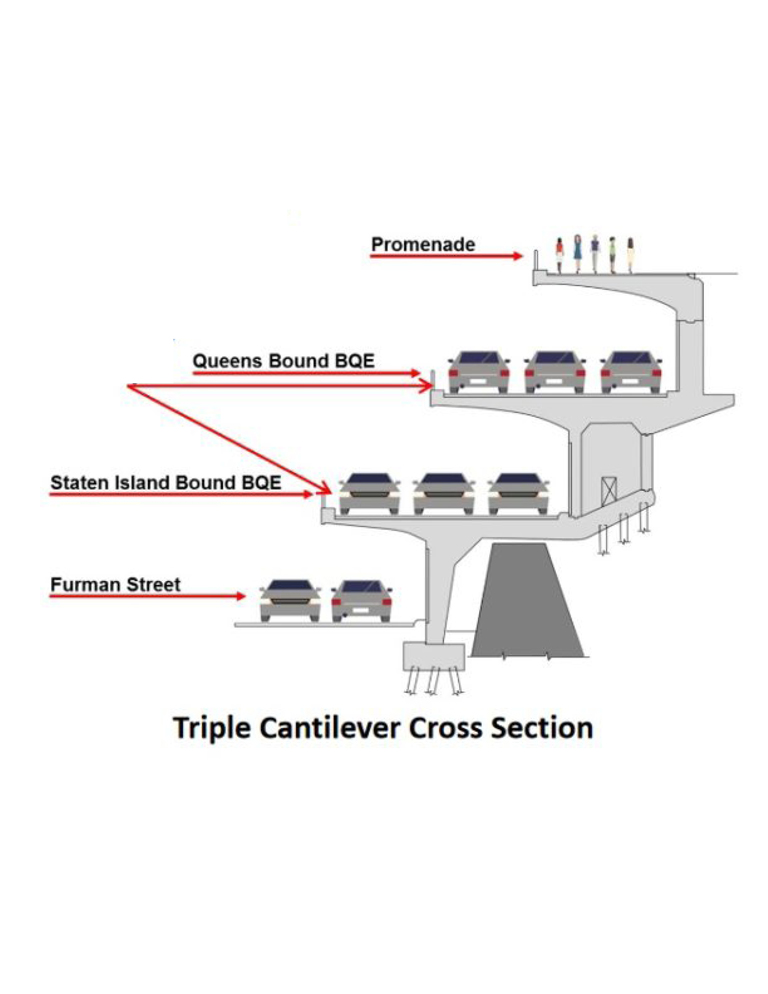
As Brooklyn’s only interstate, the challenges of this 1.5 mile rehabilitation and replacement of the Brooklyn-Queens Expressway (BQE)/I-278 are due in part to its unique 0.4 mile triple-cantilever concrete structure that houses two levels of roadways, each carrying three lanes of traffic, and the top level supporting the Brooklyn Heights Promenade. The Promenade provides spectacular and protected views of the City. The levels from top to bottom are the walkway, eastbound I-278, westbound I-278, and Furman Street. As one of the most heavily traveled roadways in NYC, the BQE carries 153,000 vehicles daily, which is significantly more traffic than the facility was originally designed to accommodate. The concrete structure is severely deteriorated and is in dire need of rehabilitation. In addition, there are twenty-one (21) bridges that support the BQE included within the project limits. The initial phase of the project involves alternative analysis and the development of an Environmental Assessment document. Based on the recommendations and funding scenarios, the NYCDOT may elect to proceed with this project either through Design-Build or Design-Bid-Build project delivery.
As part of the initial Environmental Assessment team, SJH performed an analysis of the existing bridges and evaluated necessary repairs. Our engineers reviewed the latest inspection reports, identified the repairs to be performed, developed concept-level repair details, and developed construction cost estimates for the repairs. This estimate was included in the No- Build Alternative.
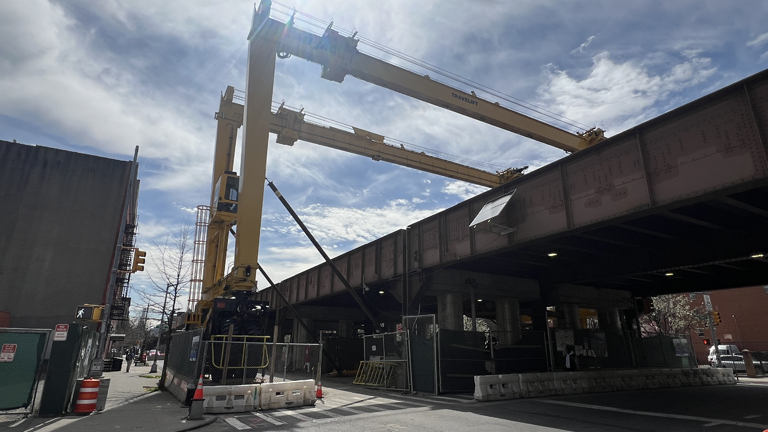
SJH also provided on-site inspection of existing concrete and stone masonry wall coring work, located at a cellular structure along the east side of Furman Street, below the Staten Island-bound BQE roadway. The borings involve sampling and testing to various depths and includes rock coring. Coring work started from January 8, 2019 and was completed on January 18, 2019. The work was performed with lane closure permit for five (5) hours a day from 10:00 am to 3:00 pm. A. hydraulic drilling machine was used at all locations. Since the work was performed inside confined spaces, air quality was constantly monitored. The extracted cores were removed from the walls and placed in core sample boxes. Non-shrink grout was used to patch the holes. The purpose of the coring work is to determine the thickness and material of the existing concrete and stone masonry walls by taking three (3) stone cores and one (1) concrete core at the walls behind and between the five (5) access points.
RELATED PROJECTS