MTA C&D
PROJECT OWNER
LOCATION
CLIENT(s)
SERVICES PROVIDED
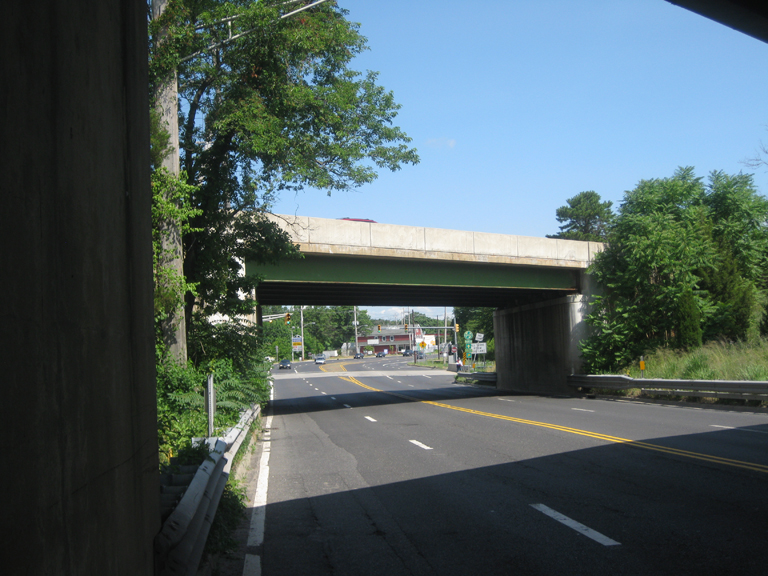
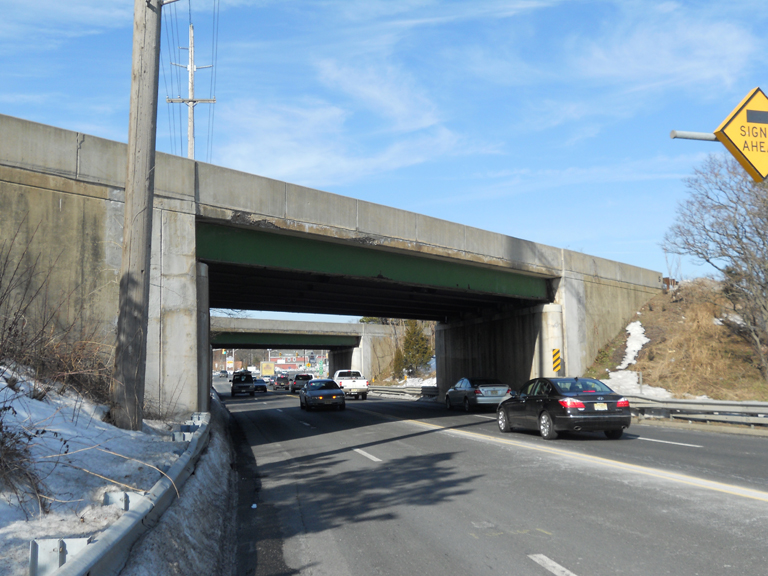
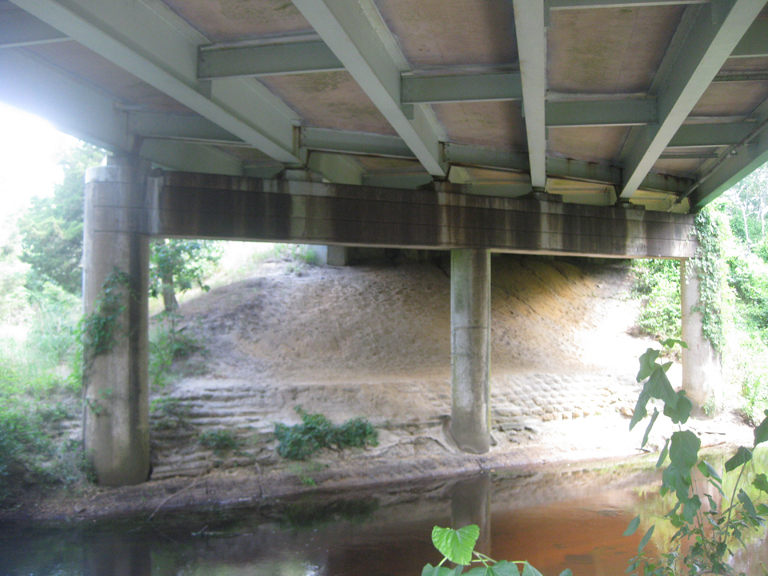
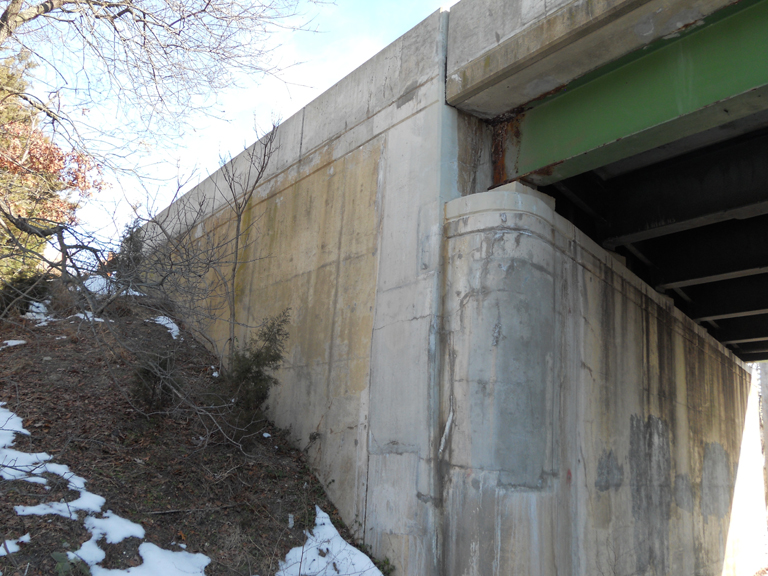
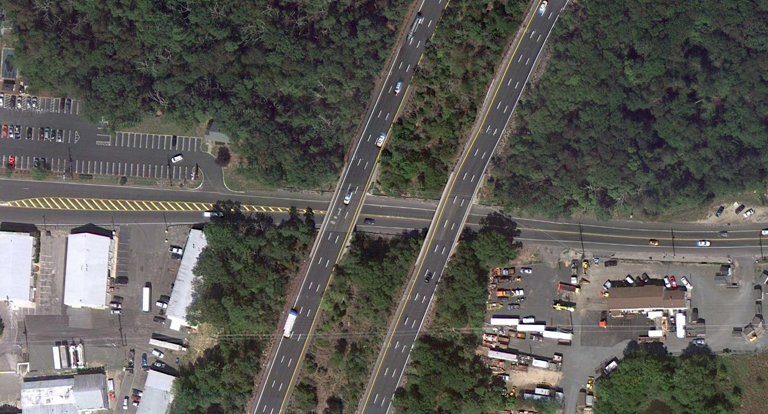
SJH provided engineering design and the development of contract drawings, specifications and cost estimates for the replacement of four (4) bridges and eight (8) sign structures, as part of the New Jersey Turnpike Authority’s Garden State Parkway (GSP) Mainline Widening for Shoulder Restoration Program from Milepost 88.5 to 93.5. SJH was responsible for the phased design of four bridges carrying GSP over Chambers Bridge Road and Route 88. The existing structures are single span multi steel stringer concrete deck bridges. SHPO requirements mandated a steel multi-girder superstructure to preserve the original GSP design.
During the Pre-Phase B Structure Type Study, extensive alternative analysis was performed for each bridge. Items analyzed included bridge geometry, roadway features, design speeds, span configuration, cross sections, superstructure types, substructure types, construction cost estimates and comparison and constructability/MPT considerations. Constructability/MPT reviews covered aspects such as construction/erection methods, provisions for future deck replacement, overbuild required to accommodate staged construction due to geometry constraints, needs for girder field splices and their locations, space for staging, lay-down and crane placement, potential need for detour, and more.
The two bridges over Chambers Bridge Road, with an existing span length of 66’ each, involve complete replacement with 134’ single span new structures to accommodate future Ocean County improvements. Two alternatives were evaluated: stub abutment with wrap around MSE walls and conventional full height abutment were compared. The former was found to be most economical and was hence advanced to final design upon NJTA’s approval.
The two bridges over Route 88 will require 66’ width each, as compared to the 44’ existing structures, to accommodate the proposed GSP NB and SB widenings. Four alternatives were considered including: (1) Widening with partial deck reconstruction; (2) Widening with deck replacement; (3) Widening with superstructure and deck replacement and conventional abutment; and (4) Widening with superstructure and deck replacement and semi-integral abutment. Life Cycle Cost Analysis was performed to compare the four alternatives. Alternatives 1 & 2 were eliminated as they could not satisfy the superelevation requirement. It was concluded that Alternative 4 was the most economical option when future maintenance costs were included, even though Alternative 4 had a slightly higher initial cost. The design eliminates deck joints and associated future maintenance costs, saving 11% over Alternate 3. It also helps to retain the existing abutment stem and enhance the structure’s seismic performance. These Value Engineering solutions achieved the most economical design for the client. The reconstruction is staged and three lanes of traffic on GSP in each direction are maintained at all times. This is achieved by the use of “crossover” lanes. Construction was completed in 2015.
RELATED PROJECTS